In this article
What to know
- Abdominal-obesity trials found selected body-composition changes with growth hormone. These were not sermorelin trials, and glucose effects prevent a simple fat-loss verdict.
- The studied preparation and population define what the findings can support.
- Research regimens describe experiments and are not personal treatment instructions.
A body-composition signal is not a general indication
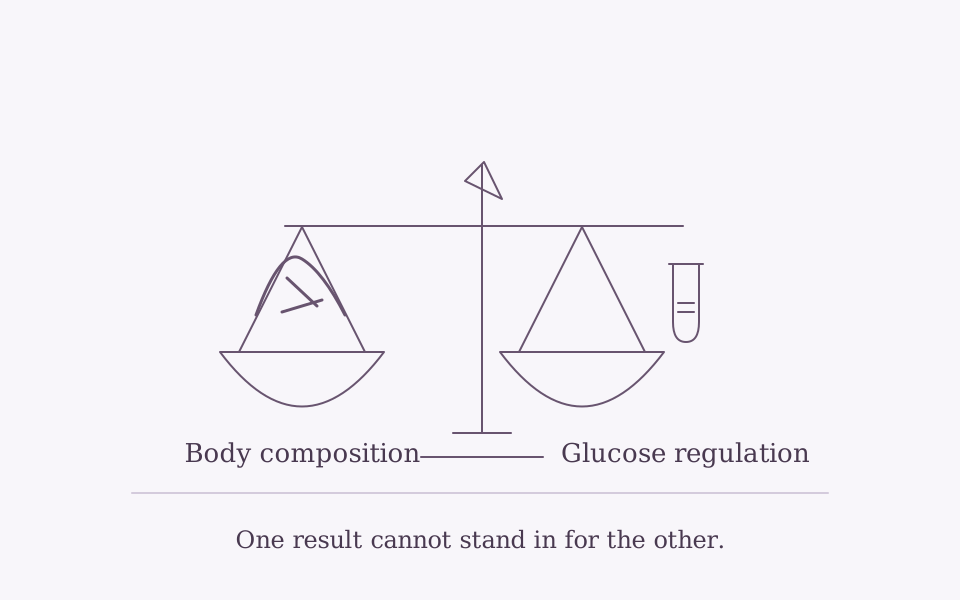
Research on growth hormone and abdominal obesity helps explain why a favorable fat measurement does not settle a treatment decision. Selected trials reported changes in abdominal fat and other metabolic measures, while glucose effects and population differences complicated the benefit-harm picture. [1] [2] [3] These studies used growth hormone itself, not sermorelin. Their results cannot be transferred automatically to a peptide service that stimulates endogenous release. The useful question is not whether the pathway influences fat metabolism; it is whether the exact intervention produces worthwhile outcomes in an appropriate population with acceptable risk. That requires more detail than a claim that hormone optimization targets stubborn abdominal fat.
The men’s trial lasted nine months
Johannsson and colleagues randomized thirty men aged forty-eight to sixty-six with abdominal obesity to recombinant growth hormone or placebo for nine months. The active regimen was 9.5 micrograms/kg/day. Visceral adipose tissue decreased by 18.1±7.6 percent, while total fat and subcutaneous abdominal fat also declined. Glucose disposal initially worsened at six weeks before improving relative to placebo later. [1] These are trial observations and amounts, not a treatment plan. The selected group and small sample can illuminate physiology without reliably estimating uncommon harms or long-term clinical events. The study also used growth hormone itself, not sermorelin, so a releasing-peptide service cannot simply adopt its effect size.
Premenopausal women had different measured outcomes
Bredella and colleagues randomized seventy-nine premenopausal women with obesity to daily subcutaneous growth hormone or placebo for six months. The starting amount was 4 micrograms/kg/day, titrated to a mean 1.7 mg/day at six months; these describe research, not personal dosing. Total abdominal fat and high-sensitivity C-reactive protein, the primary outcomes, decreased versus placebo. Visceral fat decreased within the active group but its between-group difference was not significant (P=0.6). Four women had a two-hour glucose above 200 mg/dL at study end, three assigned growth hormone. [2] The fat and glucose findings must be read together. A within-group change should not be promoted as a confirmed treatment advantage.
For the broader interpretation, read sermorelin, glucose and metabolic evidence.
Postmenopausal research adds another population
Franco and colleagues enrolled forty postmenopausal women with abdominal obesity in a twelve-month placebo-controlled trial using growth hormone 0.67 mg/day. The researchers measured insulin sensitivity by clamp and body compartments by imaging. Visceral fat, thigh muscle area and selected lipid measurements favored treatment, while the stated insulin-sensitivity improvement at twelve months was a comparison with baseline within the growth-hormone group. [3] Those are studied outcomes and a studied amount, not a prescription recommendation. Menopause status and follow-up distinguish this experiment from the premenopausal trial. The studies should not be pooled informally into a universal promise for women with abdominal weight gain or interpreted as evidence for an untested sermorelin preparation.
Imaging and the scale answer different questions
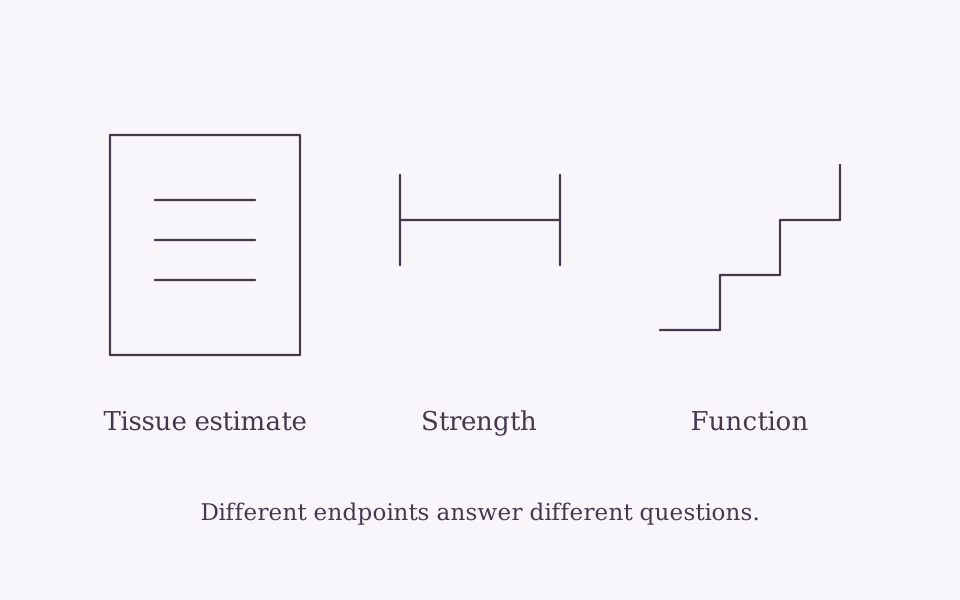
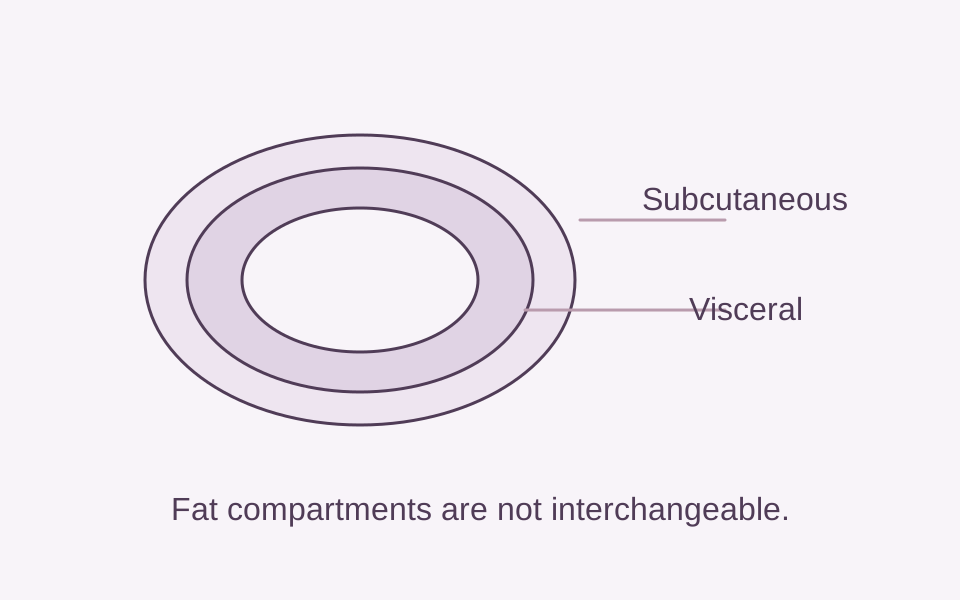
Visceral fat surrounds internal organs; subcutaneous fat lies beneath the skin. A CT-based area or a tissue-volume measurement is not the same as total weight loss, waist appearance or improved physical function. The studies here used imaging and metabolic measures that need to remain attached to their results. [1] [2] [3] A person may reasonably care about those compartments, but a product description should not translate every reduction into a guaranteed visible transformation. Nor should an increase in lean mass be equated automatically with stronger muscles. The relevant function needs to be tested directly. Body composition can change without answering the person’s original concern about strength, endurance or daily capability.
The choice of comparison also matters to an apparent success story. If both active and placebo participants improve, a favorable change from the active group’s own baseline does not isolate the treatment effect. The meaningful estimate is the between-group difference for the prespecified outcome. That is why a photograph or a before-and-after number is insufficient evidence of a drug’s contribution, even when the underlying measurement is accurate.
Glucose can move differently from body fat
Growth-hormone effects on glucose deserve attention alongside the fat findings. The premenopausal trial explicitly concluded that glucose tolerance decreased in a minority, despite favorable average body-composition changes. [2] A favorable change in one domain does not cancel a clinically important unfavorable change in another. Likewise, the response of an average participant cannot determine suitability for someone with a particular metabolic history. These are reasons for a clinician to evaluate the whole situation and explain monitoring. They are not instructions for a reader to copy a research amount, pursue a hormone target or assume a different peptide avoids the issue simply because it works through a releasing pathway.
How to apply the evidence without substituting drugs
When reviewing a clinic’s abdominal-fat claim, identify whether its evidence studied growth hormone, tesamorelin or sermorelin and whether the intended patient resembles the participants. Ask which outcome is expected and what would make continuing worthwhile. Then compare the actual service agreement, preparation, monitoring and cost. A small physiological trial can support a research rationale without validating a general wellness purchase. The findings here are useful because they show both body-composition signals and the need to consider glucose and study design. They do not establish sermorelin as an interchangeable obesity treatment or make a peptide subscription the logical next step for every person concerned about abdominal fat.
For a practical product comparison, see our Viking Alternative Medicine review; its purchase terms do not establish a clinical result.
Sources
Research describes groups and specific study conditions. Your medical history, symptoms and treatment decisions require advice from your own qualified clinician.